Lifting Equipment Training Importance and Best Courses
Introduction
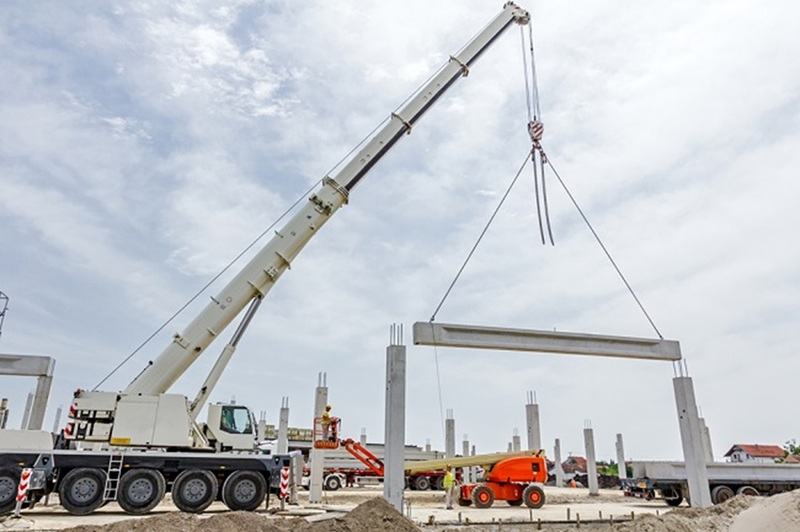
Have you ever wondered about the strength and precision with which towering cranes operate or sleek forklifts maneuver? Are you interested in what controls the seemingly effortless lifting and moving of colossal weights? The answer lies in the expertise associated with handling lifting equipment – a skill acquired through industry-specific training. This blog dives deep into the world of lifting equipment instruction and its absolute necessity in ensuring safe, efficient, and reliable work practices. So, are you ready to understand the nuances of this unique skill and the best courses available to learn it?
In the absence of proper training, the handling of lifting equipment can be hazardous. Moreover, issues can arise such as improper handling leading to decreased productivity, compromised worker safety, and potential legal ramifications. This is why workers who handle lifting machinery are required to undergo rigorous training. But what does this training entail? Which courses offer the best education? Let’s embark on this journey to discover.
Why is Proper Lifting Equipment Training Essential?
Safety is the foremost reason that industries mandate lifting equipment training. Misused or poorly operated lifting equipment can lead to severe accidents and injuries on the worksite. Proper training institutes practices that reduce the likelihood of such mishaps occurring. But safety isn’t the only concern; efficiency also comes into play.
Trained operators know the machinery in and out. Their familiarity with the machine’s workings ensures they use it optimally, leading to saved time and increased productivity. The skills acquired during training empower the operator to detect potential issues early on, allowing preemptive maintenance and reducing machinery downtime.
The legal factors involved can’t be overlooked, either. Ensuring employees have received the appropriate training is a legal requirement in many regions. Non-compliance can result in not only penalties but also potential lawsuits from injured parties.
What Does Lifting Equipment Training Include?
Lifting equipment training generally comprises three broad categories: theoretical understanding, hands-on experience, and constant evaluation. The theoretical segment familiarizes trainees with the machinery’s functions and safety guidelines. It also provides knowledge about industry-specific regulations and standards.
Hands-on experience, arguably the most crucial part of the training, gives the trainees an opportunity to operate the machinery in guided, controlled conditions. This practice goes a long way in building confidence and fine-tuning technical skills.
Evaluation and assessment, both during and after the training, ensure that the skills and knowledge have been appropriately acquired and retained.
Who Should Get Lifting Equipment Training?
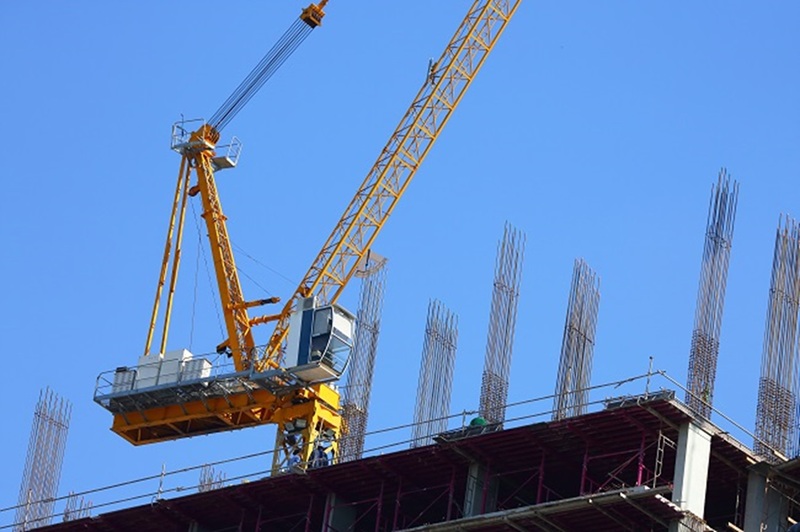
Lifting equipment training isn’t limited to those operating the machinery. It’s equally valuable for supervisors and safety officers, ensuring they understand the operations they are overseeing.
Warehouse staff, construction site workers, and transport company personnel are among those who would benefit significantly from this training. Moreover, training isn’t a one-time affair but a continuous process, with skills needing refreshment and updates to keep up with evolving technology and regulations.
When is the Right Time for Lifting Equipment Training?
The right time for lifting equipment training is not just before operating the machinery but also whenever there are changes or updates in the equipment, technology, or regulations. Regular refresher training ensures that skills stay relevant and updated and safety standards are maintained.
Choosing the Right Lifting Equipment Training Course
The choice of a training course should be dictated by the type of machinery you will be operating, and the regulatory requirements specific to your region and industry. Reputed course providers like the Construction Industry Training Board (CITB), Lifting Equipment Engineers Association (LEEA), and National Commission for the Certification of Crane Operators (NCCCO) offer various courses targeting different lifting equipment.
The Pros and Cons of Lifting Equipment Training
The benefits of lifting equipment training are obvious – increased safety, improved efficiency, compliance with legal requirements, and enhanced career prospects. However, it’s important to recognize the costs involved, both in terms of money and time. Extensive training may also be stressful for some individuals. Thus, the pros must be weighed against the cons, keeping in mind the wider benefits to personal safety and career growth.
Conclusion
To operate lifting equipment safely and efficiently requires precise knowledge and honed skills, mandated not only by industry standards but also legal requirements. The key to acquiring these competencies lies in comprehensive training. While the investment in terms of time, effort, and money is significant, the pay-offs in terms of skill development, safety, efficiency, and career advancement are arguably far more substantial.
Choosing the right course from the right authority will allow operators and supervisors to harness the power of lifting equipment optimally. As technology evolves and regulations change, continuous training becomes invaluable. Embracing the journey of becoming a knowledgeable, proficient lifting equipment operator really elevates not just machines, but careers and safety standards too!