Plum Fruit: A Sweet Superfood? Benefits, Nutrition, and Potential Downsides
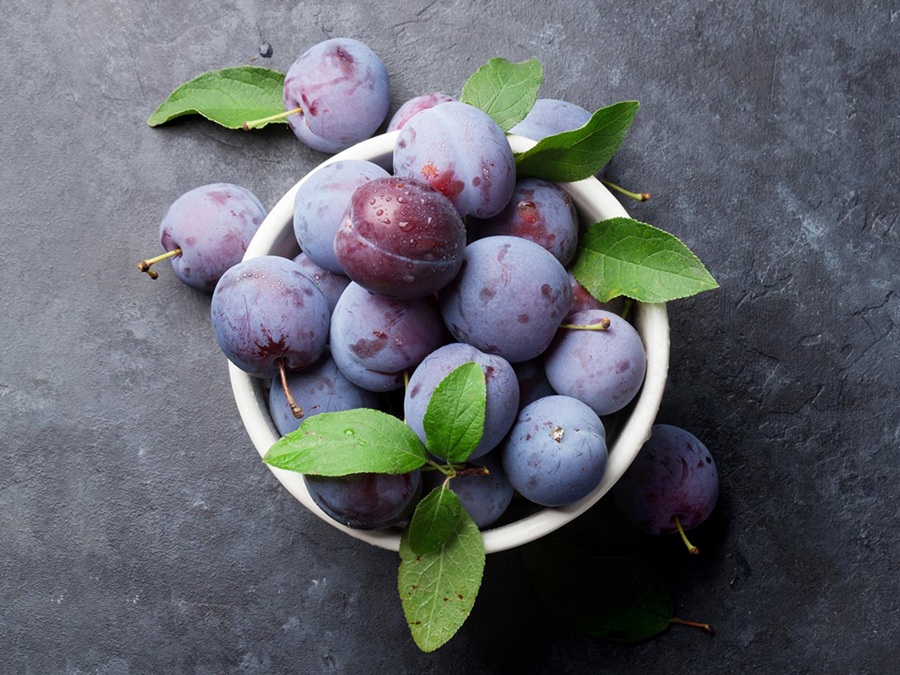
From grocery store shelves to farmers’ markets, the humble plum fruit has steadily gained recognition not only for its delicious taste but also for its impressive health benefits. Whether enjoyed fresh, dried, or as part of jams and juices, plums have become a popular fruit choice for those looking to add both flavor and nutrition to their diets.
But what exactly makes plums so special? Beyond their sweet and tangy flavor lies a nutritional powerhouse packed with vitamins, antioxidants, and fiber. At the same time, like any food, plums come with their share of potential downsides if not consumed in moderation.
Here’s a closer look at the benefits, nutritional value, and possible side effects of plum fruit.
An Overview of Plum Fruit
Plums belong to the genus Prunus and come in a variety of shapes, sizes, and colors, ranging from deep purple and red to yellow and green. These juicy fruits have been cultivated for thousands of years and are enjoyed worldwide in both fresh and dried forms.
Dried plums, commonly known as prunes, are especially popular for their digestive health benefits.
Nutritional Value of Plums
Plums are low in calories yet rich in essential nutrients, making them an excellent addition to a balanced diet. Here’s a breakdown of the approximate nutritional content for 100 grams of fresh plums:
| Nutrient | Amount |
|---|---|
| Calories | 46 kcal |
| Carbohydrates | 11.4 g |
| Sugars | 9.9 g |
| Fiber | 1.4 g |
| Protein | 0.7 g |
| Fat | 0.3 g |
| Vitamin C | 9.5 mg (16% RDI) |
| Vitamin A | 345 IU |
| Potassium | 157 mg |
| Antioxidants | High levels of polyphenols |
*RDI: Recommended Daily Intake
The fruit is especially valued for its high levels of antioxidants, particularly polyphenols, which play a role in reducing inflammation and protecting against various diseases.
Health Benefits of Plums
1. Rich in Antioxidants
Plums contain powerful antioxidants such as anthocyanins and polyphenols that help combat oxidative stress in the body. Regular consumption may support heart health and reduce the risk of chronic diseases.
2. Supports Digestive Health
The fiber in plums, especially in dried prunes, promotes healthy digestion and helps prevent constipation. Sorbitol, a natural sugar alcohol present in plums, also has a mild laxative effect.
3. May Help Regulate Blood Sugar
Despite being sweet, plums have a relatively low glycemic index, meaning they cause a slower rise in blood sugar levels. Some studies suggest that the bioactive compounds in plums may support better blood sugar control.
4. Good for Bone Health
Research has indicated that prunes may have bone-protective properties, potentially reducing the risk of osteoporosis, especially in postmenopausal individuals.
5. Boosts Immunity
The vitamin C content in plums contributes to a stronger immune system, helping the body fight off infections and illnesses.
6. May Support Heart Health
The potassium in plums helps regulate blood pressure, while the fruit’s antioxidants may reduce inflammation in blood vessels, contributing to overall heart health.
Pros of Including Plums in Your Diet
✔ Low in calories but nutrient-dense
✔ High in antioxidants and fiber
✔ Supports digestion and regularity
✔ May aid in weight management due to their filling nature
✔ Available in multiple varieties to suit different taste preferences
✔ Can be consumed fresh, dried, or cooked in recipes
Potential Side Effects and Considerations
While plums offer numerous health benefits, excessive consumption may lead to unwanted effects:
1. Digestive Discomfort
Eating too many plums or prunes can cause bloating, gas, or diarrhea due to their fiber and sorbitol content.
2. Blood Sugar Considerations
Though plums have a low glycemic index, large quantities—especially dried prunes—contain significant natural sugars that could impact blood sugar levels in those with diabetes if not consumed mindfully.
3. Allergies
Though rare, some individuals may experience allergic reactions to plums, particularly those with sensitivities to related fruits like peaches or cherries.
4. Oxalates Content
Plums contain oxalates, which in high amounts may contribute to kidney stone formation in susceptible individuals.
How to Enjoy Plums
Plums are versatile and can be incorporated into your diet in several ways:
- Enjoy them fresh as a snack
- Slice them into salads for a sweet twist
- Bake them into pies, tarts, or cakes
- Add them to smoothies for a nutrient boost
- Use dried prunes as a natural sweetener in oatmeal or yogurt
- Prepare plum chutneys or jams for use with bread or cheese
Final Thoughts
Plums are a delicious, nutritious fruit that can complement a healthy lifestyle when consumed in moderation. Their impressive array of vitamins, antioxidants, and dietary fiber offers tangible health benefits, from supporting digestion to protecting against chronic disease.
However, like any food, balance is key. Overindulgence may lead to digestive discomfort or other minor side effects.
For those seeking to boost their fruit intake while reaping health benefits, plums—whether fresh or dried—are a flavorful and valuable addition to the diet.