The Role Of Hospital Security In Ensuring A Safe Healthcare Environment
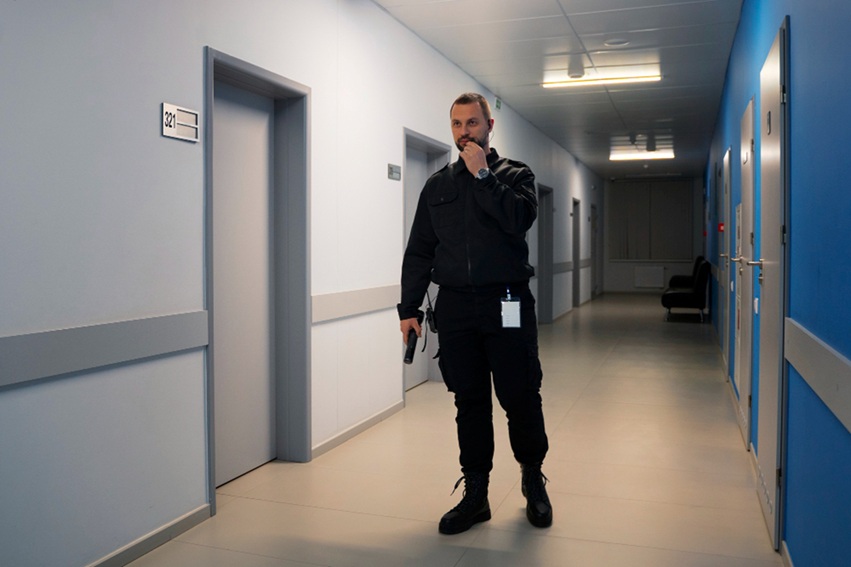
What would a safe healthcare environment look like for you? Is it exclusively about state-of-the-art medical amenities and lauded healthcare professionals? Or, does it extend beyond these integral aspects to create a comprehensive, safe, and supportive atmosphere for healing? In this article, we will explore an often-underdiscussed but quintessential component of a safe healthcare environment – Hospital Security.
The role hospital security plays in ensuring a healthcare setting that is conducive to both treatment and recovery remains relatively uncharted. Today, let’s delve into the integral part that these often-unseen heroes play in creating a secure hospital environment.
Behold The Unsung Guardian: Who Are These Hospital Security Personnel?
Hospital security staff is a dedicated force working round-the-clock to ensure a safe environment for patients, staff, and visitors. They not only manage potential security threats but also deal with various challenging situations that might disrupt the efficient functioning of a hospital.
Security teams are equipped to deal with emergencies, ensuring the hospital’s smooth operation under unforeseen circumstances. They are trained to deal with a range of issues from preventing unauthorised access, ensuring the protection of personal and hospital property, to effectively managing situations involving difficult or aggressive individuals.
A Tour Of Duty: What Are The Tasks Of Hospital Security?
At its core, hospital security’s role is to protect and serve. Protection in this context stretches to everyone under the hospital’s roof- patients, staff, and visitors. Regulatory compliance, security risk assessment, security system maintenance, and crisis management are crucial responsibilities shouldered by the security team.
They coordinate traffic flow, control access, and respond swiftly to security incidents. Additionally, they play an active role in developing and implementing security plans and protocols to ensure the overall safety ecosystem of the hospital.
When Hospital Walls Talk: Why Is Security Crucial In Healthcare Environments?
The importance of hospital security is multi-fold. Besides ensuring the physical safety of the hospital population, it aids in maintaining the decorum and sanctity of the healthcare setup. A safe and secure environment ensures that the hospital staff can execute their roles to the best of their abilities.
Further, security provisions offer reassurance to patients, enhancing their peace of mind and facilitating a stress-free healing environment. They also aid in maintaining the reputation and trustworthiness of the health institution, crucial factors for its long-term success.
Checks And Balances: The Pros Of Strong Hospital Security
Well-implemented and efficient security provides numerous benefits. It builds a sanctuary for patients to recover, staff to execute their duties without facing external dangers, and visitors to interact without disruption. Effective security controls also demonstrate compliance with regulatory standards and can protect the hospital from potential lawsuits.
The Flipside: Cons Of Inadequate Hospital Security
Contrarily, where there is insufficient security, hospitals may be prone to burglary, violence, or even medical equipment theft. Decreased patient satisfaction, increased liability risks, and compromised patient safety can have a detrimental impact on the hospital’s stature and affected party’s wellbeing.
Security: A Pillar In The Citadel Of Healthcare
In closing, hospital security underscores the pillars of effective healthcare service- safety, respect, and care. Hospitals are more than just brick-and-mortar structures offering medical assistance. They are sanctuaries of recovery, where patients, the wounded, and the scared come seeking solace and medical attention.
A robust security system doesn’t merely protect – it reassures and allows people to focus on what matters the most – health, recovery, and wellbeing. Therefore, the substantial role of security within a hospital setting is undeniable and irreplaceable.
Let us not simply glance but truly appreciate this often underrated, yet crucial component of hospital safety – the dedicated men and women ensuring the hospitals remain the safe havens they are meant to be.