How To Decide If Slab Underpinning Is Right For Your Property
Have you noticed cracks creeping across your walls lately? Are your doors suddenly sticking, or do your floors feel a bit uneven underfoot? Perhaps you’ve spotted gaps appearing between your walls and ceilings, and you’re wondering what on earth is going on with your home’s foundation.
These concerns are more common than you might think, particularly in Australian homes built on concrete slabs. The good news? There’s often a solution, and underpinning might be exactly what your property needs. But here’s the thing – it’s not always the right answer for every situation, and understanding when it’s appropriate can save you both money and stress.
In this guide, we’ll walk you through everything you need to know about slab underpinning. You’ll learn what it actually involves, how to spot the warning signs that your foundation might be in trouble, and most importantly, how to decide whether underpinning is the right choice for your specific situation. We’ll also cover costs, the process itself, and how to choose a reliable contractor. By the end, you’ll feel confident about making the best decision for your property.
What Is Slab Underpinning?
How Does Slab Underpinning Work?
Put simply, underpinning is a construction technique used to strengthen and stabilise existing foundations. When your concrete slab foundation has shifted, sunk, or become unstable, underpinning extends the foundation deeper into more stable soil. Think of it as giving your home’s base a much-needed upgrade.
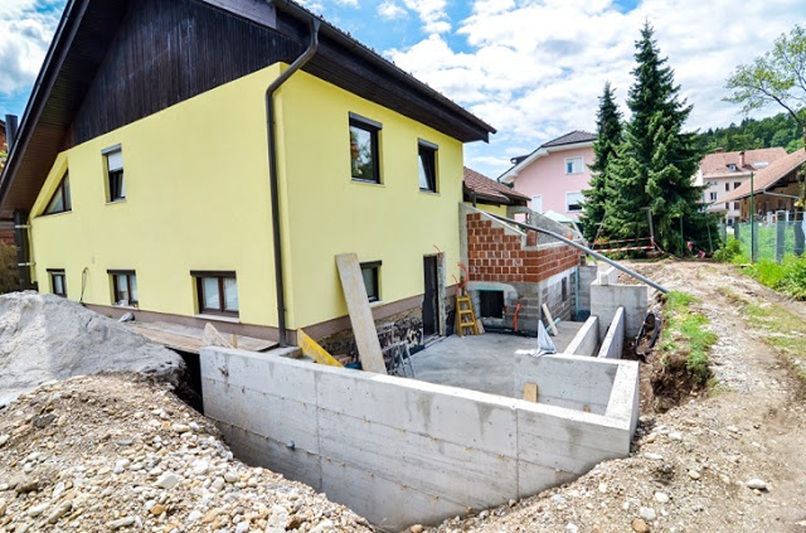
The process typically involves excavating sections beneath your existing foundation and filling these spaces with concrete or other stabilising materials. This creates a stronger, deeper foundation that can better support your home’s weight. It’s a bit like adding extra legs to a wobbly table – you’re providing additional support where it’s needed most.
Types Of Underpinning Methods For Concrete Slabs
Several methods exist, and the right choice depends on your specific situation. Mass concrete underpinning is the traditional approach, involving digging beneath the foundation in sections and pouring concrete. Screw piles or helical piers offer a less invasive option, where steel piles are screwed into stable soil beneath your home. Resin injection is another modern technique, using expanding resin to lift and stabilise settled slabs. Each method has its place, and a qualified engineer will recommend the most suitable option for your property.
Warning Signs Your Property May Need Underpinning
Visible Cracks In Walls And Floors
Not all cracks indicate foundation problems, but certain types should raise alarm bells. Look out for diagonal cracks running from corners of windows and doors – these often signal foundation movement. Stair-step cracks in brickwork are another red flag. Hairline cracks might be nothing to worry about, but wider cracks (generally over 5mm) warrant professional investigation.
Doors And Windows That Stick Or Won’t Close Properly
When foundations shift, they throw everything slightly out of alignment. Your doors and windows feel this first. If you’re constantly battling with doors that won’t latch or windows that jam, foundation movement could be the culprit. This happens because the frames are no longer sitting square within their openings.
Uneven Or Sloping Floors
Place a marble on your floor. Does it roll to one side? Walk around your home and pay attention to any areas that feel noticeably higher or lower than others. Sloping floors often indicate that part of your slab has settled more than the rest.
Gaps Between Walls And Ceilings
Foundation movement can cause your walls to pull away from the ceiling, creating visible gaps. You might also notice gaps around skirting boards or where internal walls meet external walls. These separations typically worsen over time if the underlying issue isn’t addressed.
What Causes Foundation Problems In Australian Homes?
Reactive Clay Soils
Australia is notorious for reactive clay soils, particularly in areas like Melbourne and Adelaide. These soils expand when wet and shrink when dry, creating significant movement beneath your foundation. This constant expansion and contraction puts enormous stress on concrete slabs, especially during drought conditions followed by heavy rain.
Tree Roots And Vegetation
Large trees planted too close to your home can cause serious foundation issues. Roots seeking moisture can draw water from beneath your foundation, causing soil shrinkage. Additionally, roots can physically push against foundations as they grow. As a general rule, large trees should be planted at least as far from your home as their expected mature height.
Poor Drainage And Water Damage
Water pooling around your foundation is never good news. Poor drainage allows water to saturate the soil on one side of your home, causing uneven expansion. Leaking pipes beneath your slab create similar problems. Proper drainage management is crucial for foundation health.
Age And Original Construction Quality
Older homes, particularly those built before modern building standards, may have foundations that simply weren’t designed to handle current loads or soil conditions. Poor construction practices or inadequate materials used originally can catch up with a property over time.
Is Underpinning Necessary For My House?
When Underpinning Is The Right Solution
Underpinning makes sense when foundation movement is ongoing and significant. If structural engineers identify that your foundation has settled unevenly and continues to move, underpinning provides a permanent solution. It’s particularly appropriate when:
– Cracks are worsening over time
– Multiple areas of your home show signs of movement
– The underlying soil conditions are unlikely to improve naturally
– You’re planning renovations that will add load to existing foundations
When Alternative Repairs May Be More Suitable
Sometimes, underpinning isn’t necessary. Minor cosmetic cracks from normal settling might only need monitoring and patching. If poor drainage is causing temporary soil movement, improving drainage might solve the problem without expensive foundation work. A professional assessment will help determine whether underpinning or alternative solutions are more appropriate for your situation.
The Slab Underpinning Process: What To Expect
Initial Assessment And Engineering Reports
The process begins with a thorough inspection by a structural engineer. They’ll assess the damage, investigate underlying causes, and recommend appropriate solutions. This report forms the basis for any underpinning work and is typically required for council approval and insurance purposes.
Timeline And Disruption To Your Home
Most residential underpinning projects take between one to three weeks, depending on complexity. You can usually remain in your home during work, though you’ll experience some noise and minor disruption. Contractors typically work section by section, ensuring your home remains stable throughout the process.
How Do I Know If My Foundation Needs Repair?
DIY Checks You Can Do Today
Start by walking around your property and documenting any cracks, sticking doors, or uneven floors. Use a spirit level to check floor evenness. Mark existing cracks with a pencil and date them – this helps you monitor whether they’re growing. Check external brickwork for cracks and look for any signs of water pooling near your foundation.
When To Call A Structural Engineer
If you notice multiple warning signs, cracks wider than 5mm, or problems that seem to be worsening, it’s time to call a professional. Structural engineers provide objective assessments and can distinguish between cosmetic issues and genuine structural concerns.
Choosing The Right Underpinning Contractor
Questions To Ask Before Hiring
Ask potential contractors about their experience with similar projects, request references from recent jobs, and enquire about their proposed methodology. Find out what warranties they offer and how they handle unexpected complications. A reputable contractor will happily answer these questions.
Licences and Insurance Requirements
Verify that contractors hold appropriate state-based builder’s licences for structural work. They should carry comprehensive public liability insurance and workers’ compensation coverage. Don’t hesitate to ask for proof – legitimate contractors understand why this matters.
Making The Right Decision For Your Property
Deciding whether slab underpinning is right for your property isn’t something you need to figure out alone. The key is recognising warning signs early, understanding what’s causing the problem, and getting professional advice before making decisions.
Remember, not every crack means you need major foundation work. Sometimes simple solutions address the underlying issues perfectly well. However, when underpinning is genuinely necessary, it’s an investment that protects your home’s structural integrity and value for decades to come.
Take the time to get proper assessments, obtain multiple quotes, and choose contractors based on expertise and reputation rather than just price. Your home is likely your biggest asset – it deserves the right care. If you’re noticing warning signs, don’t wait for problems to worsen. Book a structural assessment today and get the peace of mind you deserve.