How Power Assist Wheels Transform Mobility Solutions
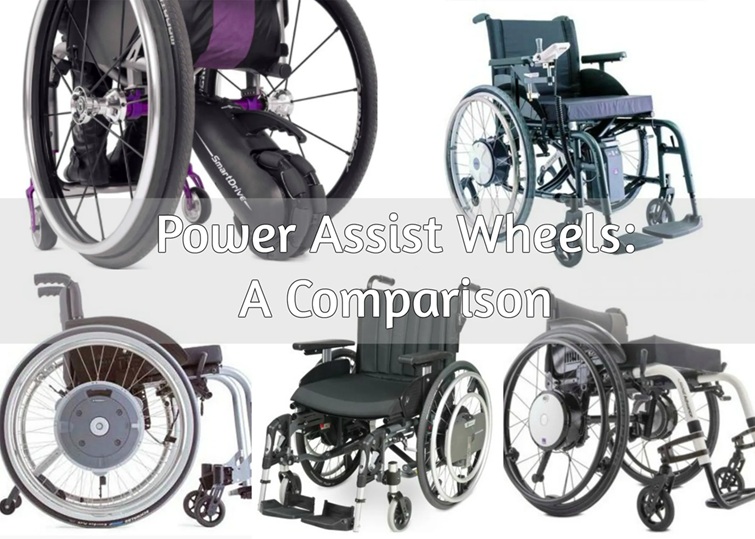
Ever wondered if there’s a middle ground between pushing a manual wheelchair and switching to a full electric model? Have you noticed that getting around hills, shopping centres, or even your own neighbourhood leaves you completely exhausted? What if you could keep the flexibility of your manual chair while getting a helpful boost when you need it most?
Power assist devices for manual wheelchairs are changing the game for thousands of Australians who want to maintain their independence without sacrificing their energy. These clever systems add motorised support to existing manual wheelchairs, making everyday tasks more manageable and opening up possibilities that might have seemed out of reach. Whether you’re dealing with fatigue, navigating challenging terrain, or simply want to keep up with friends and family, power assist technology offers a practical middle path.
In this article, we’ll explore everything you need to know about power assist wheels. From understanding how they work to figuring out if they’re compatible with your current wheelchair, we’ve got you covered. We’ll also compare them to electric wheelchairs, break down costs and NDIS funding options, and help you decide whether this technology is right for your situation. Let’s get stuck into it.
What Are Power Assist Devices For Manual Wheelchairs?
Power assist devices for manual wheelchairs are motorised systems that attach to your existing chair to provide additional propulsion. Think of them as a helpful push from behind—you still control the movement, but the motors reduce the effort needed to get around.
How Do Power Assist Wheels Work?
These systems use sensors to detect when you’re pushing your wheels. The motors then kick in to amplify your pushing force, making each stroke more effective. Most units respond proportionally—push harder, and you get more assistance. This means you stay in control while benefiting from reduced physical strain.
The technology is surprisingly intuitive. You don’t need to learn new skills or change how you move. Simply push as you normally would, and the system does the heavy lifting.
Key Components Of A Power Assist System
A typical setup includes motorised wheels or hub motors, a battery pack, and a control unit. Some systems replace your existing wheels entirely, while others attach to them. The battery usually mounts on the back of the chair and can be removed for charging. Most control units allow you to adjust assistance levels based on your needs.
Who Can Benefit From Power Assist Wheelchair Technology?
Users With Limited Upper Body Strength
If conditions like arthritis, shoulder injuries, or progressive muscle weakness make pushing difficult, power assist technology can be life-changing. It reduces the physical demand while keeping you actively involved in your mobility.
Carers And Support Workers
Power assist isn’t just for wheelchair users. Carers who push manual wheelchairs also benefit significantly. Long days of pushing can lead to back strain and fatigue. With power assist, carers can provide support more comfortably and sustainably.
Active Wheelchair Users Seeking Extended Range
Even fit, active users find power assist valuable for extending their range. Want to explore a beach boardwalk, tackle a hilly neighbourhood, or spend a full day at a festival? Power assist lets you go further without burning out.
Can You Add Power Assist To Any Manual Wheelchair?
Compatibility Considerations
Not every manual wheelchair works with every power assist system. Factors like wheel size, frame type, and axle configuration all matter. Rigid frames generally offer better compatibility than folding chairs, though options exist for both. Your wheelchair’s weight capacity must also accommodate the added system weight.
Before purchasing, it’s essential to check compatibility with your specific chair model. Most suppliers can advise on this, and many offer trial periods to make sure everything works together.
Fitting And Installation Process
Installation varies depending on the system. Some power assist wheels simply swap out your existing wheels—a process taking just minutes. Others require more involved setup, including mounting brackets and battery holders. Professional fitting is recommended to make sure everything is secure and properly calibrated.
Once installed, most users find the adjustment period is minimal. The intuitive nature of power assist means you’ll likely feel comfortable within your first few outings.
Power Assist vs Electric Wheelchairs: Which Is Right For You?
Portability And Transport Advantages
Here’s where power assist really shines. Electric wheelchairs are heavy and typically require vehicle modifications or hoists for transport. Power assist wheels can often be removed in seconds, leaving you with a standard manual chair that folds into a car boot. This flexibility is invaluable for active lifestyles.
Independence And Control Differences
Electric wheelchairs use joystick controls, while power assist maintains the natural pushing motion. Many users prefer power assist because it keeps them physically engaged and provides a more intuitive steering experience. Plus, if the battery dies, you can still push manually—something impossible with most electric chairs.
Cost Comparison In The Australian Market
Generally, power assist systems cost less than quality electric wheelchairs. You’re also not replacing your entire chair, just enhancing it. This makes power assist an attractive option for those wanting motorised support without the full electric wheelchair investment.
How Much Do Power Assist Wheels Cost In Australia?
Price Ranges And What Affects Cost
Power assist devices for manual wheelchairs typically range from $4,000 to $12,000 in Australia. Entry-level systems offer basic assistance, while premium options provide longer battery life, more power, and additional features like app connectivity. The brand, motor strength, and battery capacity all influence pricing.
NDIS Funding and Power Assist Devices
Great news for NDIS participants—power assist devices can often be funded through your plan. They’re typically classified as assistive technology. Your occupational therapist can help determine if power assist meets your needs and assist with the funding application process. Many Australians have successfully accessed power assist through NDIS support.
Top Benefits of Power Assist Devices for Manual Wheelchairs
Reduced Physical Strain And Fatigue
The most immediate benefit is less exhaustion. Repetitive pushing takes a toll on shoulders, wrists, and arms. Power assist significantly reduces this strain, helping prevent overuse injuries and conserving energy for activities you actually enjoy.
Tackling Hills, Ramps And Uneven Terrain
Australia’s varied terrain can be challenging for manual wheelchair users. Power assist transforms steep ramps and hilly streets from obstacles into manageable routes. Grass, gravel, and uneven footpaths become less daunting too.
Maintaining An Active Lifestyle
Rather than limiting your activities, power assist expands them. Users report attending more events, exercising outdoors more frequently, and generally feeling more confident about getting out and about.
Are Power Assist Wheels Worth It?
Real-Life Scenarios And Everyday Use
Consider a typical shopping trip. Without power assist, you might limit yourself to one shop before fatigue sets in. With power assist, you can comfortably navigate an entire shopping centre. The same applies to visiting markets, attending sporting events, or simply exploring your neighbourhood.
Long-Term Health Benefits
Reducing repetitive strain helps protect your joints for the future. Many manual wheelchair users develop shoulder problems over time—power assist can help prevent or delay these issues while keeping you physically active.
How To Choose The Best Power Assist System For Your Needs
Battery Life And Charging Requirements
Most systems offer 15-25 kilometres range per charge, though this varies with terrain and usage. Consider your typical daily distance and choose accordingly. Charging times range from 3-8 hours, so overnight charging suits most users.
Weight And Manoeuvrability
Power assist adds weight to your chair. If you frequently lift your wheelchair into vehicles, consider lighter systems. Some wheels weigh under 5kg each, while others are considerably heavier.
Indoor vs Outdoor Use
If you’ll mainly use power assist indoors, a compact, responsive system works best. For outdoor adventures, prioritise battery life and power for tackling varied terrain.
Conclusion: Reclaiming Freedom with Power Assist Technology
Power assist devices for manual wheelchairs represent a genuine breakthrough in mobility solutions. They bridge the gap between manual and electric wheelchairs, offering motorised support while maintaining the flexibility, portability, and active involvement that manual wheelchair users value.
Throughout this guide, we’ve explored how these systems work, who benefits most from them, and what to consider when choosing one. The advantages are clear—reduced fatigue, extended range, and better access to challenging terrain. With NDIS funding available for many Australians, the financial barriers are lower than you might expect.
If you’ve been struggling with hills, feeling exhausted after short trips, or simply wanting to do more without pushing yourself to the limit, power assist technology deserves serious consideration. It’s not about giving up your manual chair—it’s about making it work harder for you. Chat with your healthcare provider or local mobility supplier to explore your options. Your future adventures are waiting.